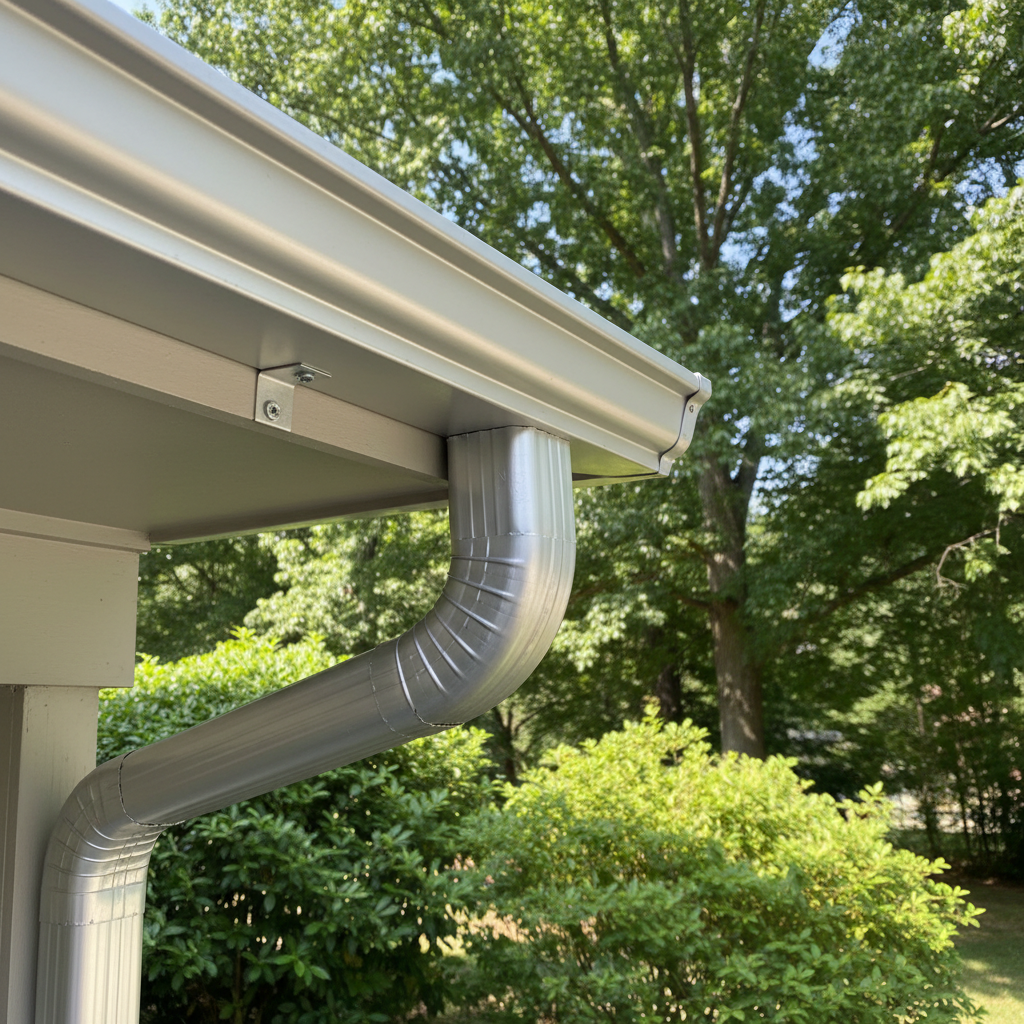
Your gutters are shot, huh? Leaking, pulling away from the house, or just plain ugly. It happens. Especially around here with our crazy spring downpours and those heavy autumn leaves. So, you're looking at replacement. The big question is always: can I do this myself, or should I call someone?
Before You Start: What to Consider
First off, let's be real. Replacing gutters isn't rocket science, but it's not hanging a picture either. It involves working at heights, precise measurements, and handling long, unwieldy materials. Safety is a huge factor. If you're not comfortable on a ladder, or if your house is more than one story, you're already leaning towards calling a pro.
You also need to figure out what kind of gutters you want. Most homes in Chapel Hill, especially the older ones in neighborhoods like Meadowmont or Southern Village, probably have sectional aluminum gutters. They're common, easy to find at hardware stores, and you can piece them together yourself. But seamless gutters? That's a different beast. They're custom-fabricated on-site to fit your house perfectly, meaning fewer leaks and a cleaner look. You can't DIY seamless gutters – you need specialized equipment and expertise for that.
Think about your budget too. Doing it yourself will save you on labor, obviously, but you'll still need to buy materials, tools you might not own (like a hacksaw for aluminum, a crimper, pop rivet gun, and a good caulk gun), and possibly rent equipment. Sometimes, the cost savings aren't as massive as you might think once you factor everything in.
The DIY Gutter Replacement Process (If You Dare)
Alright, if you're determined to go the DIY route for sectional gutters, here's the basic rundown. You'll need a buddy – seriously, don't try this alone.
- Measure Everything: Get accurate measurements of all your rooflines. Don't forget the downspouts and elbows. Overestimate slightly, you can always cut off excess.
- Tear Off the Old: Carefully remove the old gutters. Watch out for sharp edges and don't damage your fascia board. This is a good time to inspect the fascia for rot or damage and repair it if needed.
- Install Hangers: Mark where your hangers will go, typically every 2-3 feet, with a slight slope (about 1/4 inch per 10 feet) towards the downspout. This slope is crucial for proper drainage.
- Cut and Assemble: Cut your gutter sections to size. Attach end caps, outlets, and join sections using connectors, sealant, and rivets. Make sure everything is sealed up tight to prevent leaks.
- Hang 'Em Up: Lift the assembled sections into place, securing them to the fascia board through the hangers. This is where that buddy comes in handy.
- Downspouts: Attach the downspouts, elbows, and extensions. Make sure the water is directed away from your foundation. With our clay soils here, you definitely don't want water pooling around your foundation.
It's a lot of work, and it needs to be done right. A small mistake can lead to big problems down the road – water damage, foundation issues, you name it.
When to Call a Pro (Most of the Time)
Honestly, for most homeowners, especially for a full replacement, calling a professional is the smarter move. Here's why:
- Safety: We've got the right ladders, safety gear, and experience working at heights.
- Expertise: We know the best materials for your home, how to ensure proper slope, and how to handle tricky corners or rooflines. We can also spot potential issues you might miss.
- Seamless Gutters: If you want seamless gutters (and I highly recommend them for their durability and appearance), you absolutely need a pro. We bring the gutter machine right to your house.
- Warranty: A reputable company like Chapel Hill Gutter Solutions will stand behind their work with a warranty on both materials and installation. If something goes wrong, we fix it.
- Efficiency: We can get the job done quickly and correctly, minimizing disruption to your home.
After the Install: Maintenance
Whether you DIY or hire us, maintenance is key. Keep those gutters clean! Especially in the fall and after big storms. If you've got a lot of trees, consider gutter guards. They're not foolproof, but they'll cut down on how often you need to clean. Check for leaks periodically, especially at seams and corners. If you see water overflowing, something's blocked or not sloped right.
So, can you replace your own gutters? Maybe, if you're handy, have the right tools, and aren't afraid of heights. But for peace of mind, a professional finish, and the long-term protection of your home, calling in the experts is usually the best bet. Give Chapel Hill Gutter Solutions a call if you want to talk about options. We're happy to give you an honest assessment.