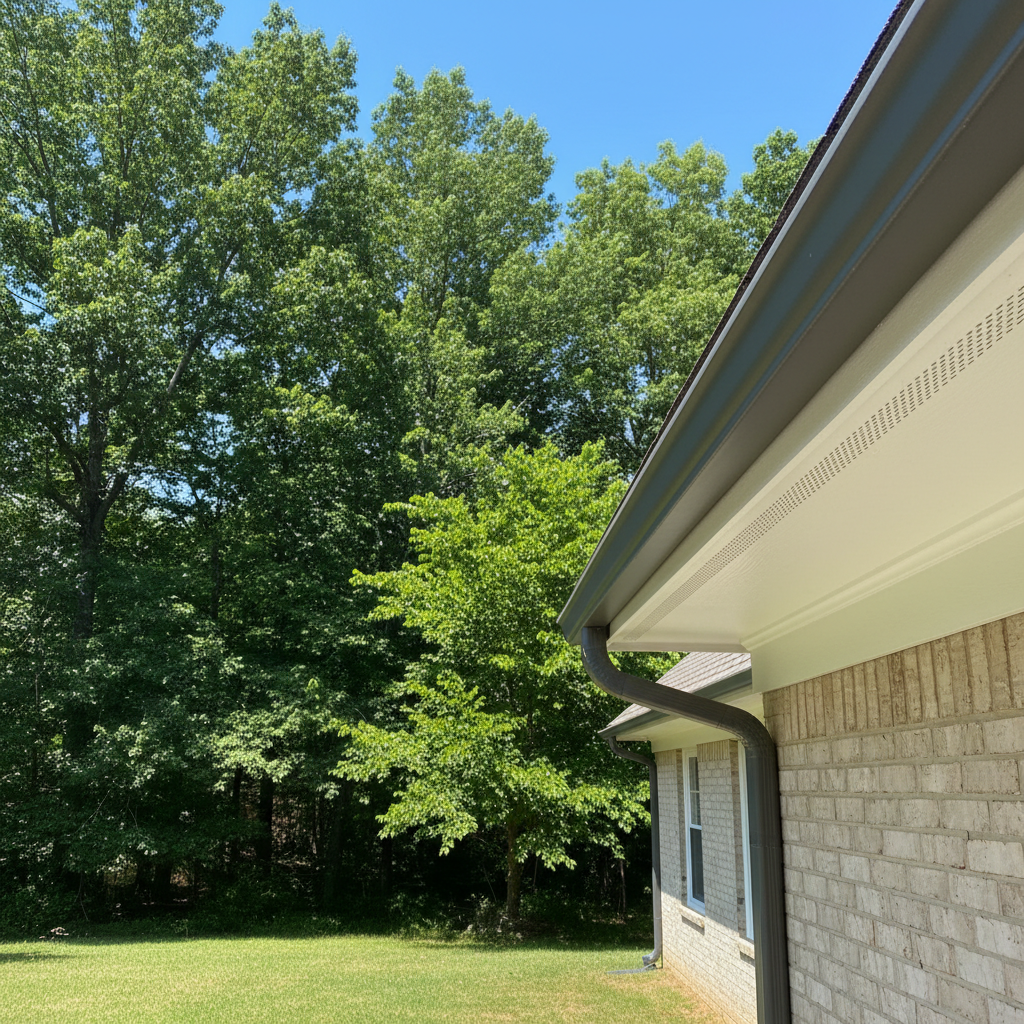
So, you've got gutter guards installed. Great move! You've cut down on a ton of nasty gutter cleaning work, and your home is better protected from water damage. But here's the deal: 'maintenance-free' doesn't mean 'no maintenance ever.' It means less maintenance. You still need to keep an eye on things, especially here in Chapel Hill with our crazy weather.
Extending the Life of Your Gutter Guards
You shelled out good money for those guards, so let's make sure they last. The biggest thing you can do is just be aware of your trees. We've got a lot of beautiful, mature trees around here – oaks, maples, pines – and they shed a lot of stuff. Even with guards, that debris can build up on top of them. If you let it sit there, especially wet leaves and pine needles, it can start to decompose and create a layer that water struggles to get through. That's not just bad for your gutters; it can shorten the life of the guards themselves.
Another thing? Don't let anything lean against them. Ladders, branches, anything. Guards are tough, but they're not indestructible. A little care goes a long way.
What Regular Maintenance Looks Like
Regular maintenance for gutter guards is way easier than cleaning out a clogged gutter, I promise. Most of the time, it's just a visual check and maybe a quick brush-off.
- Check 'em quarterly: Four times a year is a good rhythm. After the big fall leaf drop, after winter storms, in the spring when pollen is everywhere, and mid-summer. Just walk around your house and look up.
- Brush off debris: If you see leaves, pine needles, or pollen sitting on top of the guards, grab a soft-bristle brush (a car wash brush on an extension pole works great) and gently sweep them off. Don't use anything too stiff that could damage the guard material. This is especially important for homes in areas like Meadowmont or Southern Village where you're surrounded by trees.
- Rinse 'em down: Sometimes, especially after a long dry spell followed by rain, you might get a layer of fine dust or pollen that sticks. A gentle rinse with a garden hose can help clear that off. Just make sure the water is flowing through the guards and not just pooling on top.
- Watch for moss/algae: Our humid North Carolina climate is perfect for moss and algae growth. If you see any green stuff starting to form on your guards, gently brush it off. If it gets bad, it can block the tiny openings and prevent water from getting into the gutter.
Warning Signs of Problems
Even with guards, things can go wrong. Here's what to look out for:
- Water overflowing: This is the most obvious sign. If you see water sheeting over the top of your gutters during a rainstorm, your guards aren't doing their job. It could be a blockage on top, or something might be clogged underneath.
- Sagging gutters: If a section of your gutter looks like it's pulling away from the house or sagging, that's a big red flag. It usually means it's holding too much weight, likely from standing water or debris that's gotten past the guards.
- Water stains on your fascia or siding: If you see streaks or discoloration below your gutters, it means water is escaping where it shouldn't.
- Puddles around your foundation: This is a serious one. Gutters are there to direct water away from your foundation. If you're seeing puddles, your system isn't working, and you could be looking at foundation issues down the road.
- Debris in the gutters: If you can see leaves or shingle grit actually inside the gutter, then your guards aren't performing as they should.
When to Call a Professional
Look, you're a busy person. Sometimes you just don't have the time, or maybe you're not comfortable getting up on a ladder. That's totally fine. You should call a pro like us at Chapel Hill Gutter Solutions if:
- You see persistent overflowing: If you've tried brushing them off and you're still getting overflows, there might be a deeper clog or an issue with the guard installation itself.
- You can't safely reach the gutters: Some homes, especially two-story ones or those with steep roofs, are just too dangerous for DIY ladder work. Don't risk a fall.
- You suspect damage to the guards or gutters: If a storm has come through and you think a branch might have bent a section, or if you see visible damage to the guards, get it checked out.
- You notice water getting behind the fascia: This is serious. It can lead to rot and expensive repairs. Don't wait on this one.
- You just want peace of mind: We can do a thorough inspection, clean off any debris, and make sure your entire gutter system is working perfectly. Sometimes it's worth it just to have an expert eye on things.
Keeping an eye on your gutter guards is a small investment of time that saves you a lot of headaches and money in the long run. Stay dry, Chapel Hill!