You're probably wondering if gutter guards are really worth it, right? It's one of the first things folks ask me when we talk about gutters, especially around here in Chapel Hill where we get plenty of rain and those beautiful, but messy, oak and pine trees.
I’ve been in this business a long time, and I’ve seen just about every kind of gutter problem you can imagine. From clogged downspouts causing foundation issues to homeowners risking their necks on ladders every fall. So, let's cut through the noise and get to the real answers about gutter guards.
Do gutter guards actually work, or are they a waste of money?
This is the big one, and it's a fair question. The short answer is: yes, they absolutely work, but not all of them, and not for every situation. A good quality gutter guard, properly installed, will significantly reduce the amount of debris that gets into your gutters. This means fewer clogs, less overflow, and a lot less time spent on a ladder.
Think about it. We've got a lot of mature trees in Chapel Hill, especially in neighborhoods like Meadowmont or around UNC. Those leaves, pine needles, and even the little 'helicopters' from maple trees can fill up an open gutter in no time. Gutter guards act as a filter. They let the water in and keep most of the gunk out. They're not magic, though. You might still get some fine silt or shingle grit, but it's nothing compared to a full-blown leaf clog.
What kind of gutter guard is best for my home?
This isn't a one-size-fits-all answer, and if anyone tells you it is, they're probably trying to sell you something specific. There are a few main types:
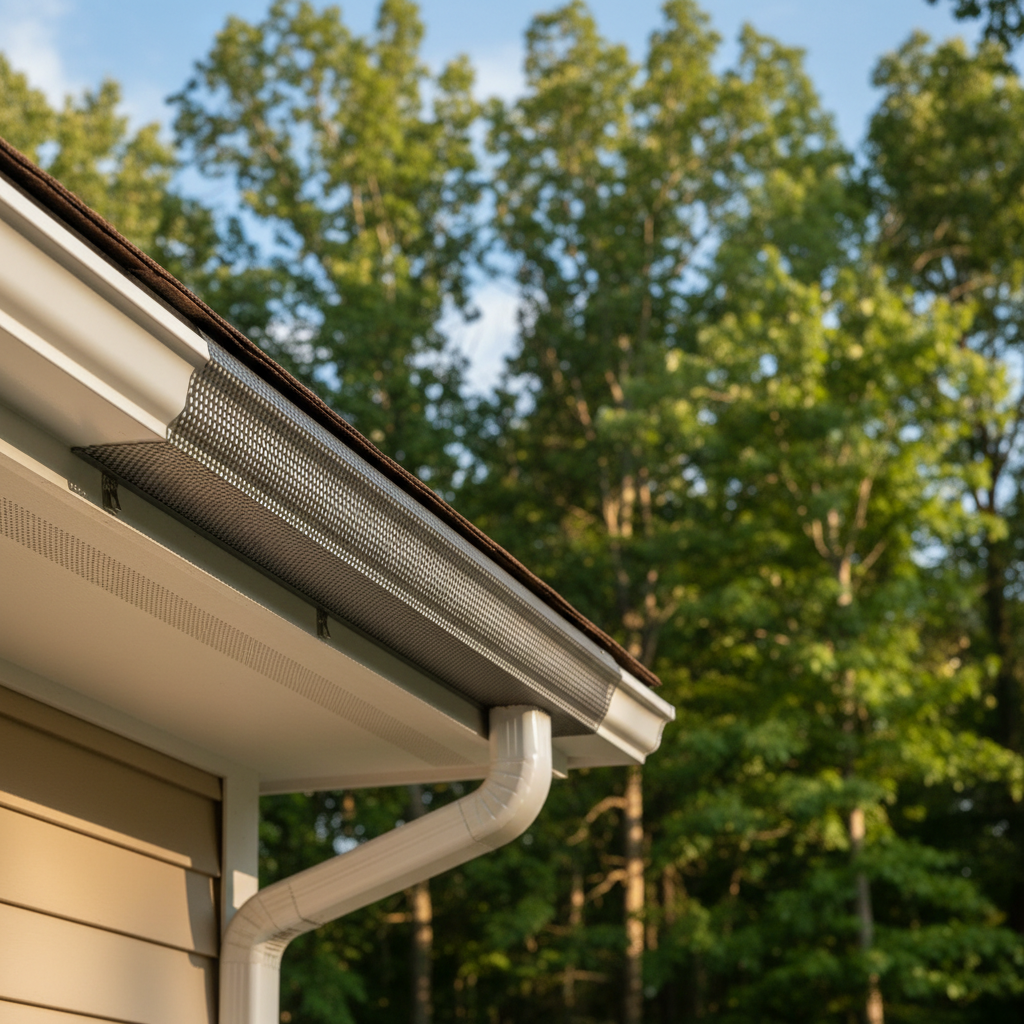
- Mesh/Screen guards: These are pretty common. They sit over your gutter opening and have small holes to let water through while blocking larger debris. They're good for leaves, but pine needles can sometimes get stuck in the mesh.
- Surface tension/Reverse curve guards: These rely on water's surface tension to flow around a curved nose and into the gutter, while debris falls off. They're generally very effective at keeping out all kinds of debris, including pine needles.
- Fine micro-mesh guards: These are the most advanced, with tiny holes that block almost everything – leaves, pine needles, shingle grit, even pollen. They offer the best protection but are usually the most expensive.
What's best for you depends on your trees, your budget, and how much maintenance you're willing to do. If you've got a lot of pine trees, a micro-mesh or a good reverse curve system will serve you better than a basic screen. If you're surrounded by deciduous trees, a quality mesh might be all you need.
Will I still have to clean my gutters with guards installed?
Okay, let's be honest. No gutter guard system makes your gutters 100% maintenance-free forever. Anyone who promises that is stretching the truth. What they do is drastically reduce the frequency and intensity of cleaning.
With good guards, you won't be pulling out handfuls of soggy leaves and muck every few months. You might occasionally need to brush off the top of the guards if a lot of fine debris or pollen builds up, especially after a long dry spell followed by rain. Sometimes, a particularly heavy downpour might push some small stuff through. But it's usually a quick, easy job, nothing like a full gutter clean. For most folks, it turns a yearly or bi-yearly chore into a 'check it once a year if you feel like it' kind of thing. That's a huge win in my book.
How much does gutter guard installation cost in Chapel Hill?
This is where it gets tricky because prices vary a lot. It depends on the type of guard, the linear footage of your gutters, the height of your house, and the complexity of your roofline. Basic screen guards might be on the lower end, while high-quality micro-mesh or reverse curve systems will be more of an investment.
Generally, you're looking at anywhere from a few dollars per linear foot for basic screens up to $15-$25+ per linear foot for premium systems, installed. Don't just go for the cheapest option. A poorly installed guard, even a good one, won't perform. Get a few quotes, make sure they're quoting for similar products, and ask about warranties. At Chapel Hill Gutter Solutions, we always give you a clear breakdown so you know exactly what you're paying for.
Can I install gutter guards myself?
You can, but should you? That's the real question. If you're comfortable on a ladder, have the right tools, and you're just putting in some basic snap-in screens, then sure, go for it. But for more advanced systems, or if your house is two stories or more, I'd strongly recommend hiring a professional.
There are a few reasons. First, safety. Falls from ladders are no joke. Second, proper installation is key. Guards need to be fitted correctly, sometimes tucked under shingles, and secured properly so they don't blow off in a strong storm – and we get some pretty good wind here in the Triangle. A professional will also know how to handle any existing gutter damage or pitch issues before installing the guards, ensuring everything works as it should.
Will gutter guards affect my roof warranty?
This is a smart question to ask. Some gutter guard systems require lifting or altering your shingles for installation. If this isn't done correctly, or if the system isn't designed to be shingle-friendly, it *could* potentially void certain parts of your roof warranty. It's not common with reputable systems and installers, but it's worth checking.
Always ask your installer how their system attaches. Most modern, high-quality gutter guards are designed to install without disturbing your shingles, or they use methods that are approved by roofing manufacturers. If you're concerned, check with your roofing contractor or the manufacturer of your shingles before installation. We always make sure our methods won't cause you any headaches down the line.
What about ice dams with gutter guards?
Ah, ice dams. We don't get them as often as folks up north, but when we do get a good cold snap and some snow or freezing rain, they can be a real pain. Gutter guards, by themselves, don't prevent ice dams. Ice dams are usually caused by uneven roof temperatures – heat escaping from your attic melts snow on your roof, that water runs down, hits the colder eaves, and refreezes, building up into a dam.
In fact, some types of gutter guards, particularly those that sit flat over the gutter, can sometimes contribute to ice buildup if water gets trapped on top and freezes. The best way to prevent ice dams is good attic insulation and ventilation. If you're worried about ice, talk to your installer. Some systems are better than others in cold weather, and sometimes heat cables can be integrated, but that's a whole other conversation about roof and attic performance.
Look, at the end of the day, gutter guards are an investment in your home's protection and your peace of mind. They're not a magical cure-all, but they sure do make life a lot easier for homeowners here in Chapel Hill. If you've got more questions, don't hesitate to reach out. I'm always happy to talk gutters.